Creating a peaceful and productive home office environment is essential for anyone working remotely or managing tasks at home. A space designed to reduce stress and increase focus can make a significant difference in your daily work routine. Here are practical tips to help you transform your home office into a relaxing, efficient workspace.
Choose the Right Location
Find a Quiet Spot
Select a part of your home with minimal noise and foot traffic. A quiet area helps reduce distractions, allowing you to concentrate better on your work.
Utilize Natural Light
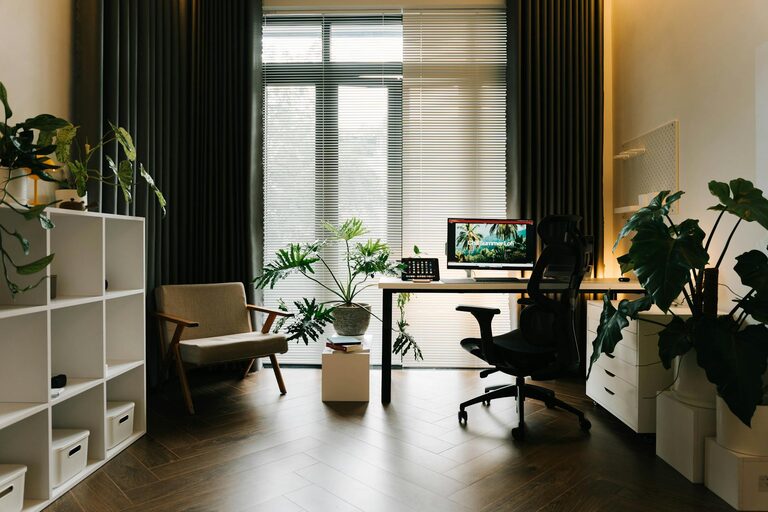
Set up your desk near a window if possible. Natural light can brighten your mood and improve alertness. If sunlight causes glare on your screen, consider using sheer curtains or blinds.
Invest in Comfortable Furniture
Ergonomic Chair
An ergonomic chair supports good posture, preventing back pain and discomfort. Look for adjustable features that fit your body shape.
Suitable Desk
Choose a desk height that feels comfortable for typing and writing. A clutter-free, spacious desk surface encourages organization and reduces stress.
Organize Your Workspace
Declutter Regularly
Keep only essential items on your desk. A neat environment helps clear your mind and boosts focus.
Storage Solutions
Use shelves, drawers, or organizers to store supplies neatly. Label containers to easily find what you need.
Add Calming Elements
Use Soothing Colors
Paint walls or decorate with colors known for their calming effects, such as soft blues, greens, or neutral tones.
Incorporate Plants
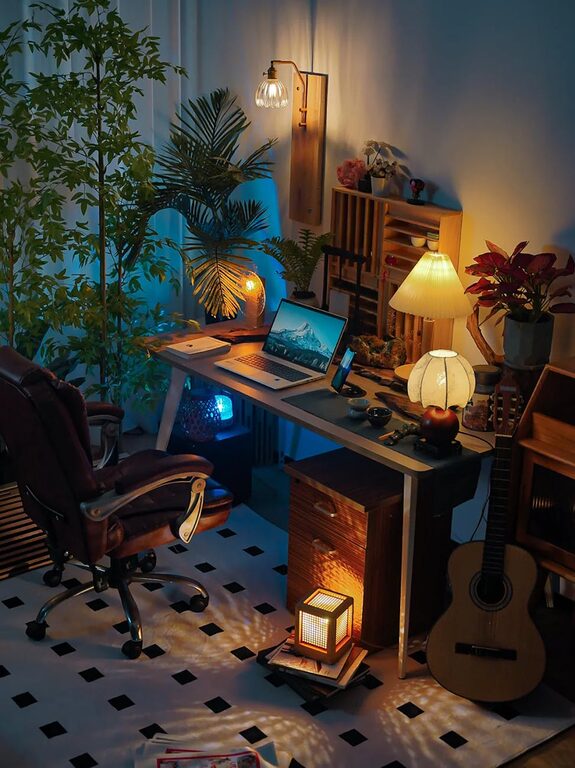
Houseplants can improve air quality and add a natural, peaceful vibe to your office. Choose low-maintenance plants like succulents or pothos.
Personal Touches
Include items that make you feel relaxed, such as framed photos, artwork, or a cozy rug. Avoid cluttering the space with too many decorations.
Control Lighting and Sound
Adjustable Lighting
In addition to natural light, use a desk lamp with adjustable brightness. This helps reduce eye strain during late hours.
Background Sounds
Soft background music or white noise can improve concentration. Use headphones or a small speaker to control volume and avoid distractions.
Establish Boundaries and Routine
Set Work Hours
Define clear start and end times for your workday. This structure helps create a balance between productive work time and rest.
Limit Interruptions
Inform household members of your work schedule to minimize interruptions. Use “Do Not Disturb” signs or signals if needed.
Take Regular Breaks and Move
Incorporate Movement
Stand up, stretch, or take short walks during breaks to reduce physical tension and refresh your mind.
Practice Mindfulness
Use breaks for deep breathing or short meditation sessions to reduce stress and maintain focus.
Keep Technology in Check
Manage Cables
Tidy up cords with cable organizers to prevent a messy workspace.
Minimize Distractions
Turn off non-essential notifications on your devices during work hours to stay focused.
Maintain Air Quality and Comfort
Ventilation
Open windows periodically to let fresh air circulate.
Temperature Control
Keep the room at a comfortable temperature, neither too hot nor too cold, to maintain concentration.
—
Creating a relaxing home office is about combining comfort, organization, and personal touches to foster a productive mindset. By implementing these tips, you’ll be able to enjoy your workday with less stress and greater efficiency.