Creating a cozy and inviting home office space is more important than ever, especially as many people spend considerable time working from home. A well-designed office can boost your mood, improve focus, and make work feel like less of a chore. Whether you have a dedicated room or just a small corner, these tips will help you create a workspace that feels both comfortable and inspiring.
1. Choose the Right Location
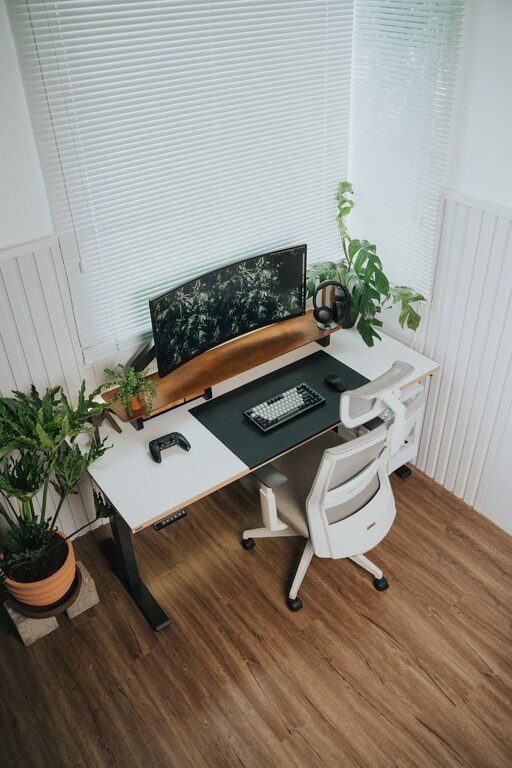
Start by selecting a spot in your home that feels peaceful and has minimal distractions. Ideally, this is a separate room or a quiet corner with natural light. If you don’t have a lot of space, even a small nook can work well as long as it’s dedicated to work.
Tips for picking your location:
– Near windows for natural light
– Away from noisy areas like the kitchen or living room
– Close enough to power outlets for your devices
Natural light is especially important as it helps reduce eye strain and improves mood.
2. Invest in Comfortable and Supportive Furniture
Your furniture choices play a huge role in creating a cozy and functional office.
Essentials to consider:
– Ergonomic chair: Look for adjustable chairs that support good posture and reduce back strain.
– Desk: Choose a desk that fits your space and has enough surface area for your essentials.
– Footrest or cushion: These small additions can make sitting for long periods more comfortable.
Comfort isn’t just about softness but about supporting your body to stay healthy and focused.
3. Personalize Your Space
Adding personal touches can make your office feel welcoming and less sterile.
Ideas to personalize:
– Photos of loved ones or inspiring places
– Art prints or posters that you enjoy
– A favorite mug or decorative objects
Try to balance personalization with simplicity to avoid clutter.
4. Use Soothing Colors and Textures
Colors and textures have a strong impact on the atmosphere of your office.
Recommended colors:
– Soft blues and greens for calmness
– Warm neutrals like beige, cream, or soft gray for coziness
– Accents of your favorite hues to add energy
Textures to add warmth:
– A soft area rug under your desk
– Cushions or throws on your chair
– Wooden furniture or accessories
These elements contribute to a space that feels inviting and comfortable.
5. Organize and Declutter
A clutter-free space helps clear your mind and improves productivity.
Organizational tips:
– Use shelves or storage bins to keep supplies tidy
– Keep only essentials on your desk
– Regularly declutter to avoid buildup of unnecessary items
– Use drawer organizers for small office tools
Good lighting and clear surfaces can also make the space feel bigger and more open.
6. Incorporate Greenery
Plants bring life to any room and can improve indoor air quality.
Easy-to-care-for plants:
– Pothos
– Snake plant
– Succulents
– Spider plant
Even a small plant or a vase of fresh flowers can brighten the mood and add color.
7. Pay Attention to Lighting
Lighting affects your ability to see your work and the ambience of your office.
Lighting suggestions:
– Use a combination of ambient and task lighting
– Desk lamps with adjustable brightness are great for focused tasks
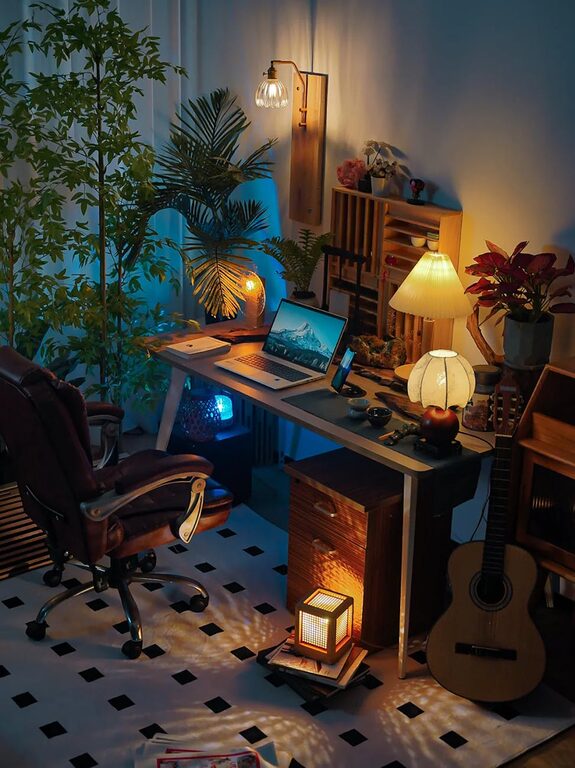
– Warm light is more relaxing than harsh fluorescent bulbs
– Dimmer switches can help you control light levels throughout the day
Natural light during the daytime is ideal, but balanced artificial lighting is essential if your office space is darker.
8. Keep Technology in Check
Technology is a critical part of any home office, but it should not overwhelm the space.
Tips:
– Keep cords organized and out of sight with cable management solutions
– Position your computer and monitor to reduce glare
– Use wireless accessories if possible for a streamlined look
– Invest in a quality webcam and microphone for virtual meetings
A neat and functional tech setup contributes to a smooth workday.
9. Create Zones for Different Activities
If your space allows, create specific zones for tasks such as computer work, reading, or brainstorming.
How to do this:
– Use different furniture arrangements or rugs to define areas
– Keep stationary and supplies in one location, and reference materials in another
– Incorporate a comfortable chair or small sofa for breaks or reading
This zoning helps keep your workflow organized and reduces distractions.
10. Add Comfort Elements
Finally, comfort is key to making your home office inviting.
Consider adding:
– A humidifier or air purifier for better air quality
– A small heater or fan depending on the season
– A cozy blanket or cushion for chilly days
– Headphones or white noise machines to block out distractions
It’s these little touches that turn a workspace into a cozy retreat.
—
By incorporating these elements, you can create a home office that feels cozy, inviting, and highly functional. Remember that the best workspace is one that fits your personal style and work habits. Take your time to arrange and tweak your space until it truly feels like your own. Happy decorating and productive working!