
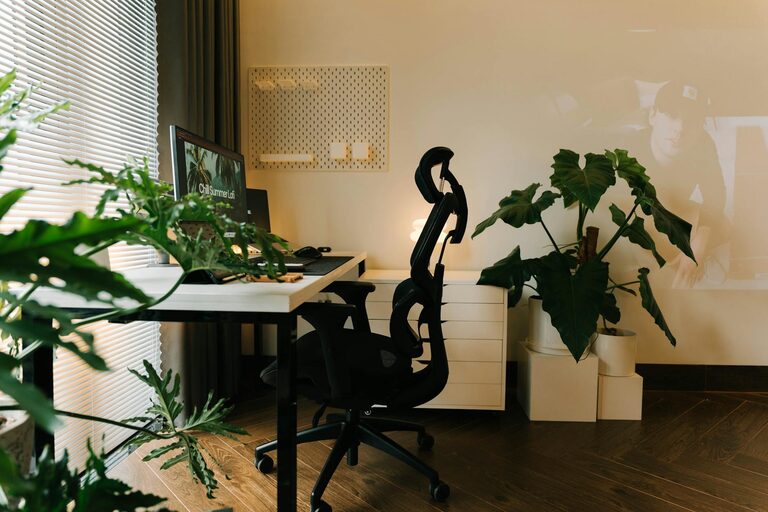
Creating a cozy and functional home office space is essential for anyone working from home or pursuing creative projects. A well-designed workspace boosts productivity, reduces stress, and makes long hours at the desk more enjoyable. In this guide, you’ll find easy tips to transform any room or corner into your ideal home office.
1. Choose the Right Location
Choosing the right spot in your home is the foundation of an effective office. Ideally, select a quiet area with minimal distractions. Natural light is a big plus, so near a window is perfect if possible. If space is limited, consider less obvious places like a nook, unused closet, or even a corner in the living room.
2. Invest in Comfortable Seating
Your office chair plays a huge role in comfort and health. Ergonomic chairs support good posture and protect your back during long work sessions. If buying a chair isn’t an option, add cushions, lumbar support, or a footrest to improve comfort.
3. Prioritize Lighting
Good lighting reduces eye strain and creates a welcoming environment. Combine natural light with ambient and task lighting. A desk lamp with adjustable brightness can help focus on tasks without harsh glare. Warm light tones tend to feel cozier than bright white ones.
4. Organize Your Workspace Efficiently
Clutter can distract and hinder focus. Keep your desk tidy with only essentials at arm’s reach. Use organizers, trays, or drawer dividers to store supplies neatly. Shelves and filing cabinets can help keep paperwork off the desktop, creating a clean, organized look.
Tips for organization:
– Use cable clips or under-desk trays to manage wires.
– Label storage containers for quick access.
– Keep common items like pens, notepads, and chargers in designated spots.
5. Add Personal Touches
Decorate your office with items that inspire you but don’t overwhelm. Plants, artwork, or personal photos can inject warmth and personality. Choose decor that fosters a calm, motivating atmosphere while maintaining professional focus.
6. Manage Noise Levels
Noise can disrupt concentration, so think about ways to control sound. If possible, add rugs, curtains, or fabric wall art to absorb noise. Noise-canceling headphones or background music can help drown out distractions in busier homes.
7. Use Multi-Functional Furniture
Especially in smaller spaces, multi-purpose furniture enhances both function and coziness. A desk with built-in shelves or drawers combines work and storage areas. Consider foldable desks or chairs for flexibility, allowing you to free up space when not working.
8. Keep Technology Practical and Accessible
Set up your computer, printer, and other tech devices so they’re easy to use and don’t clutter your workspace. Wireless gadgets reduce cable mess, and a charging station keeps devices ready without searching for cords. Make sure your internet connection is reliable for smooth virtual meetings and downloads.
9. Create Zones for Different Activities
If your room allows, designate spots for different work tasks. For example, a main desk for computer work, a comfortable chair for reading or brainstorming, and a small table for crafting or planning. Zoning helps your brain switch modes and can keep your workspace engaging.
10. Maintain a Routine and Clean Regularly
A well-maintained office stays inviting and functional. Set aside time weekly to tidy up, file papers, remove unused items, and dust surfaces. Developing a daily routine to organize your desk before and after work encourages a focused start and an easy transition at day’s end.
—
By combining comfort with practical organization and thoughtful design, you can create a home office space that feels welcoming and enhances your productivity. Whether you have a whole room or just a small corner, applying these tips will help you build an office that works for you. Happy decorating!