
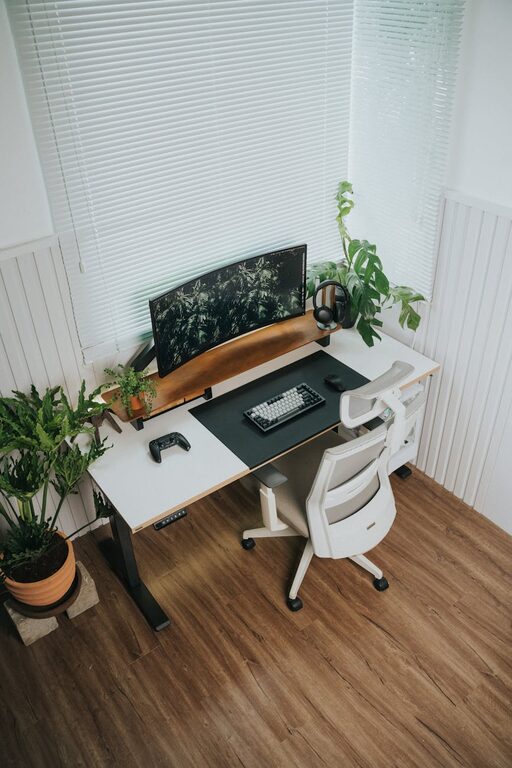
Creating a home office that is both comfortable and productive can significantly enhance your work-from-home experience. Whether you’re setting up a new workspace or looking to improve your current one, small changes can make a big difference. This guide will walk you through practical tips to help you build an environment that supports focus, creativity, and well-being.
1. Choose the Right Location
Choosing the ideal spot for your home office lays the foundation for a productive workday.
– Find a quiet area: Select a space away from household distractions like the TV or busy kitchens.
– Natural light is key: Position your desk near a window to benefit from daylight, which can improve mood and focus.
– Consider privacy: If possible, use a separate room or a nook with a door to indicate that you’re in work mode.
2. Invest in Comfortable Furniture
Ergonomics aren’t just a buzzword—they’re essential for health and productivity.
– Ergonomic chair: A supportive chair with adjustable height and lumbar support helps prevent back and neck strain.
– Proper desk height: Your desk should allow you to keep your forearms parallel to the floor when typing.
– Adjustable accessories: Consider a monitor stand or a laptop riser to keep your screen at eye level, reducing neck fatigue.
3. Organize Your Workspace
A clutter-free environment helps maintain focus and reduces stress.
– Use storage solutions: Shelves, drawers, and desk organizers keep supplies tidy and within reach.
– Limit desk clutter: Keep only daily essentials on your desk to create a clean, distraction-free area.
– Cable management: Use clips or ties to keep cords neat and prevent tangles.
4. Optimize Lighting
Proper lighting can reduce eye strain and boost your energy.
– Combine natural and artificial light: Use daylight when possible and supplement with adjustable desk lamps.
– Avoid glare: Position screens to minimize reflections and use blinds or shades to control sunlight.
– Choose the right bulbs: Soft white or daylight bulbs provide comfortable illumination without harshness.
5. Personalize Your Space
Making your workspace personal can increase motivation and comfort.
– Add greenery: Indoor plants improve air quality and create a calming atmosphere.
– Incorporate colors: Choose colors that inspire you—calming blues or energizing yellows can impact your mood.
– Display meaningful items: Photos, artwork, or small decorations can make your office feel welcoming and uniquely yours.
6. Maintain Proper Temperature and Air Quality
Comfort extends beyond furniture and lighting.
– Control temperature: Use fans, heaters, or air conditioning to keep your workspace at a comfortable temperature.
– Fresh air: Open windows when possible or use an air purifier to maintain good air quality.
– Reduce noise: Use noise-canceling headphones or soft background music if external sounds are distracting.
7. Set Boundaries and Establish a Routine
Creating clear work-life distinctions helps maintain productivity.
– Define work hours: Set a schedule and stick to it to avoid burnout.
– Use signals: Closed doors, signs, or even specific attire can signal to others that you’re working.
– Take breaks: Step away from your desk regularly to stretch, rest your eyes, and recharge.
8. Utilize Technology Effectively
Technology can streamline tasks and improve workflow.
– Reliable internet: Ensure your connection is strong and stable for video calls and uploading files.
– Useful apps: Use productivity tools, calendar apps, or task managers to stay organized.
– Backup systems: Regularly save your work and use cloud storage to prevent data loss.
9. Keep Your Workspace Clean
A clean environment supports mental clarity and well-being.
– Daily tidying: Spend a few minutes at the end of each day organizing your desk.
– Regular deep cleaning: Dust and clean surfaces weekly to maintain a healthy workspace.
– Sanitize equipment: Wipe down keyboards, mice, and phones to reduce germs.
—
Final Thoughts
Designing a home office that suits your personal needs and work style is key to long-term success. Small changes in location, furniture, organization, and ambiance can transform your workspace into a hub of productivity and comfort. Take time to assess what works best for you, and don’t hesitate to adjust your setup as your needs evolve.
With a well-planned home office environment, you can enjoy focused workdays, reduced stress, and a better balance between your professional and personal life. Happy working!